.png)

- Maximum Power Output (W)
Welder Generators
Not sure what size you need? Use our free Generator Size Calculator to find the right generator for your setup.
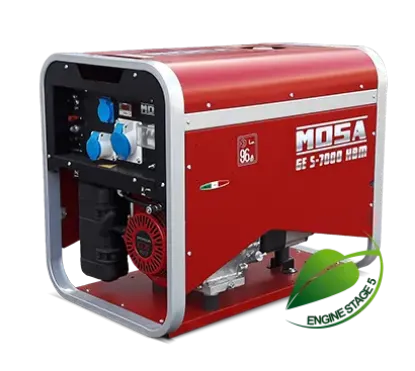
7.2KvA-6500W Honda Fuel Injected iGX390 Generator
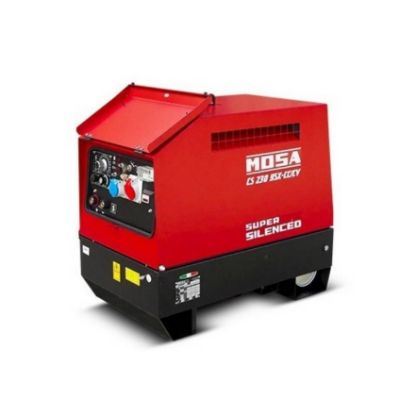
Mosa CS230 Silenced Diesel Welder Generator
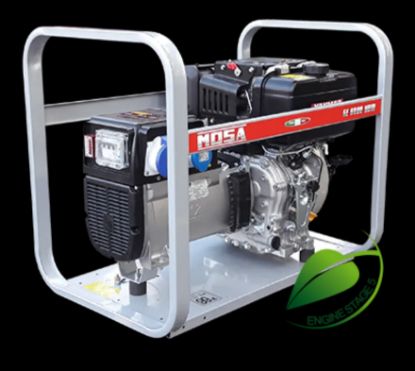
GE6000YDM Mosa 5.7KvA Diesel Generator
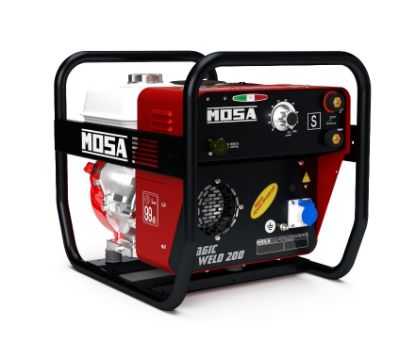
MOSA Magic Weld 200 Chopper Welder Generator 200A / 2.5Kva
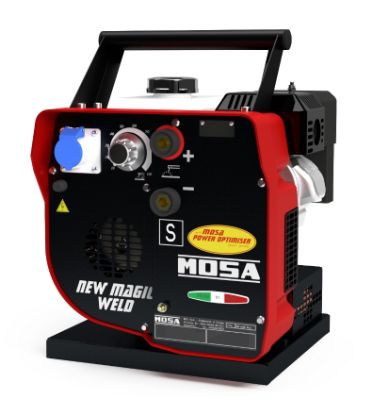
MOSA Magic Weld 150 Chopper Welder Generator 150A / 1.6Kw (2.0Kw Max)
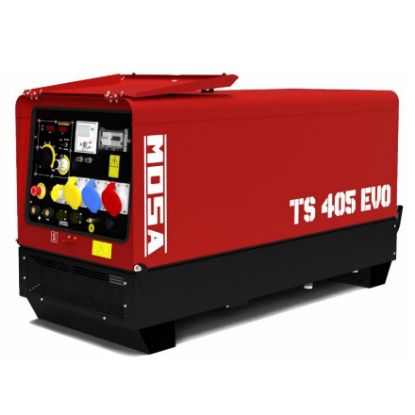
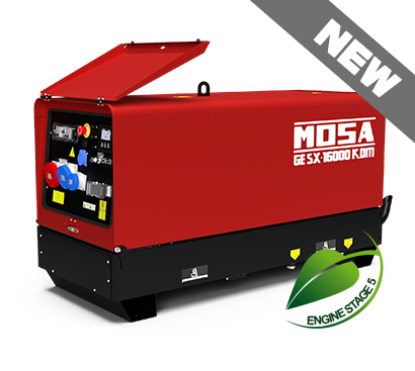
Mosa GE SX 16000 KDM 14400W/18kVA Diesel Generator
Welder generators combine a petrol or diesel generator with a built-in welding output, so you can weld and run power tools anywhere there's no mains. Ideal for fabricators, farmers, fencers and mobile repair work, they deliver DC welding current plus auxiliary sockets in one portable machine. Generator Shop stocks 7 welder generator models suited to on-site and remote welding across New Zealand.
What welder generators are used for
Welder generators go where the work is. Rural and farm repairs - mending gates, machinery and yards far from a power point. Fencing and construction crews weld posts and brackets on site. Mobile welding and maintenance businesses run a single machine for stick welding plus grinder and tool power. Pipeline, tank and structural work in remote locations relies on self-powered welding. Anywhere you'd otherwise haul a separate generator and welder, a combined unit saves weight, space and setup time.
How to choose a welder generator
Match four specs to your work. Welding amperage - higher maximum amps handle thicker steel and larger electrodes, so check the rated output against the rods you use. Electrode capacity - confirm the unit runs your preferred electrode size (e.g. 2.5-4.0 mm). Duty cycle - the percentage of a ten-minute window you can weld at a given amperage before it needs to cool; higher is better for continuous work. Auxiliary power - check the generator watts available for grinders, lights and tools while welding. Fuel - petrol for portability, diesel for long, heavy-duty sessions. Ask our team to match a machine to your electrodes and material.
Frequently asked questions
Can a welder generator also power tools?
Yes - that's the point of a combined unit. Alongside the welding output, welder generators provide auxiliary power sockets for grinders, drills, lights and chargers, though available watts drop while you're actively welding. Check the auxiliary rating for the tools you'll run.
What welding amperage do I need?
It depends on material thickness and electrode size. Light fabrication and general farm repairs are usually covered by a mid-range machine, while thick steel and larger rods need higher maximum amps. Confirm the unit's rated output suits your typical electrodes before buying.
What is duty cycle and why does it matter?
Duty cycle is how long you can weld continuously at a set amperage within a ten-minute period before the machine must cool - a 60% duty cycle means six minutes welding, four resting. For steady production work, choose a higher duty cycle so you're not waiting on cool-downs.



.png "Logo of Generator Shop")
